
Unlocking the Secrets of Our Planet: A Deep Dive into Geology
Understanding the theory surrounding the inside of earth can feel like stepping into a grand adventure. It’s not just about rocks and minerals; it’s about unearthing the mysteries that lie beneath our feet. If you’ve ever gazed at a globe or struggled to grasp the concept of tectonic plates, you’re not alone. The layers of our planet are complex, and the more you learn, the more you realize how interconnected everything is.
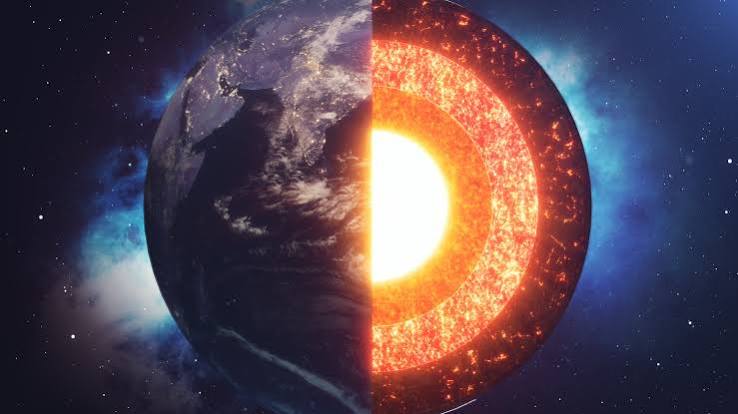
At its core, the inside of earth is composed of several layers: the crust, mantle, outer core, and inner core. Each layer has unique characteristics that contribute to the planet’s geology and climate. The crust, where we live, is a thin veneer compared to the massive mantle beneath it. This mantle is where convection currents occur, driving plate tectonics and causing earthquakes and volcanic eruptions. Understanding these processes can be eye-opening, especially when you consider how they influence the landscape around you.
As you delve deeper, the outer core presents a fascinating dynamic of liquid iron and nickel. This is where our planet’s magnetic field is generated, playing a crucial role in protecting us from harmful solar radiation. The inner core, despite its extreme heat and pressure, remains solid due to the immense gravitational forces at play. Grasping these concepts not only enriches your understanding of geology but also helps cultivate a deep appreciation for the Earth as a living, breathing entity.
But why should you care about the inside of earth? For one, it impacts our everyday lives in ways you might not immediately recognize. From the minerals we rely on for technology to the natural resources we use for energy, the geology of our planet shapes our environment and society. Understanding this connection can empower you to make informed decisions about sustainability and conservation, encouraging a more responsible interaction with our planet.
Engaging with geology doesn’t require a degree in the field. You can start by exploring local geological formations, visiting museums, or even participating in community science projects. Online resources, documentaries, and books can also provide accessible insights into the scientific theories and discoveries being made every day.
In essence, the inside of earth theory is not just for scientists; it’s a narrative that belongs to all of us. By exploring these ideas, you’re not only learning about the planet but also connecting with the very fabric of existence. So, grab a rock, take a hike, or simply look up at the night sky, and let your curiosity guide you through the endless wonders of geology. The Earth has stories to tell, and now you’re ready to listen.