
Radio Worldwide on Shortwave: Exploring Global Broadcasting
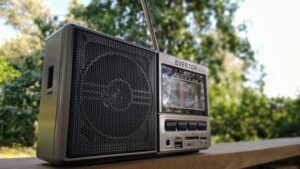 A Communication Technology That Connects the World
Shortwave radio has been one of the most powerful communication technologies for decades, allowing broadcasters to reach audiences across continents without relying on the internet. By using frequencies that reflect off the Earth’s ionosphere, shortwave signals can travel thousands of kilometers, bringing news, music, education, and culture to listeners worldwide.
The History of Worldwide Shortwave Broadcasting
From Early Experiments to Global Communication
The history of shortwave broadcasting began in the early twentieth century when engineers discovered that certain radio frequencies could travel incredible distances. International broadcasters quickly recognized the potential of this technology and established services that connected countries, promoted cultural exchange, and delivered important information during times of peace and conflict.
The Evolution of International Radio Services
Over the years, shortwave broadcasting expanded to include government broadcasters, educational organizations, humanitarian services, religious stations, and independent radio operators. These broadcasters helped millions of people stay informed regardless of geographical location.
How Shortwave Radio Works
Understanding Radio Wave Propagation
Unlike FM and standard AM broadcasting, shortwave radio uses high-frequency signals that bounce off the ionosphere before returning to Earth. This natural process allows broadcasts to cover enormous distances, often crossing oceans and multiple countries in a single transmission.
Why Reception Changes Throughout the Day
Signal quality depends on factors such as the time of day, seasonal conditions, solar activity, and atmospheric changes. Learning how these elements affect reception helps listeners identify the best frequencies and listening times.
Why People Still Listen to Shortwave Radio
Reliable Communication Beyond the Internet
Even in today’s digital age, shortwave remains an important communication method because it operates independently of internet infrastructure. During emergencies, natural disasters, or communication outages, shortwave broadcasting continues to deliver valuable information.
Access to Diverse International Programming
Listeners enjoy news, documentaries, educational shows, music, language programs, and cultural broadcasts from countries around the world. Every station offers a unique perspective that cannot always be found through mainstream media.
The Excitement of DX Listening
Discovering Distant Radio Stations
DX listening is the hobby of receiving distant radio signals. Enthusiasts search for rare broadcasts from different countries, carefully identifying stations through frequencies, announcements, and signal characteristics.
Building Skills Through Experience
Every listening session teaches something new about radio propagation, antenna performance, and frequency selection. Over time, hobbyists develop valuable technical knowledge while expanding their international listening experiences.
Choosing the Right Shortwave Equipment
Selecting a Suitable Receiver
Modern shortwave receivers offer digital tuning, memory channels, automatic scanning, and improved signal filtering. Beginners often start with portable radios, while advanced users may invest in professional desktop receivers.
Improving Reception with Better Antennas
A quality antenna significantly enhances listening performance. Simple wire antennas, outdoor installations, and specialized receiving antennas can dramatically improve weak signal reception.
 Listening Tips for Better Results
Finding the Best Listening Times
Different frequency bands perform better at different times of the day. Morning, afternoon, evening, and nighttime listening each provide opportunities to hear broadcasters from different regions.
Reducing Local Radio Interference
Listening away from electronic devices, using external antennas, and minimizing electrical noise helps improve reception quality and makes distant stations easier to hear.
The Importance of Shortwave in Emergency Communication
Broadcasting During Critical Situations
Shortwave radio has played a vital role during natural disasters, humanitarian crises, and major international events. Because broadcasts can cover vast regions without relying on local infrastructure, shortwave remains a dependable emergency communication system.
Reaching Remote Communities
Many isolated regions continue to depend on shortwave broadcasting for educational programming, weather reports, health information, and public service announcements.
The Future of Radio Worldwide on Shortwave
Combining Traditional Broadcasting with Modern Technology
Today’s shortwave enthusiasts benefit from digital receivers, online frequency schedules, and signal monitoring tools while continuing to enjoy traditional radio listening. Modern technology complements rather than replaces the unique experience of worldwide radio reception.
Preserving a Global Broadcasting Legacy
Shortwave radio remains an important part of communication history and continues to inspire listeners around the world. By promoting education, preserving broadcasting traditions, and encouraging new generations to explore international radio, Radio Worldwide on Shortwave helps ensure that this remarkable technology continues to thrive for years to come.
…